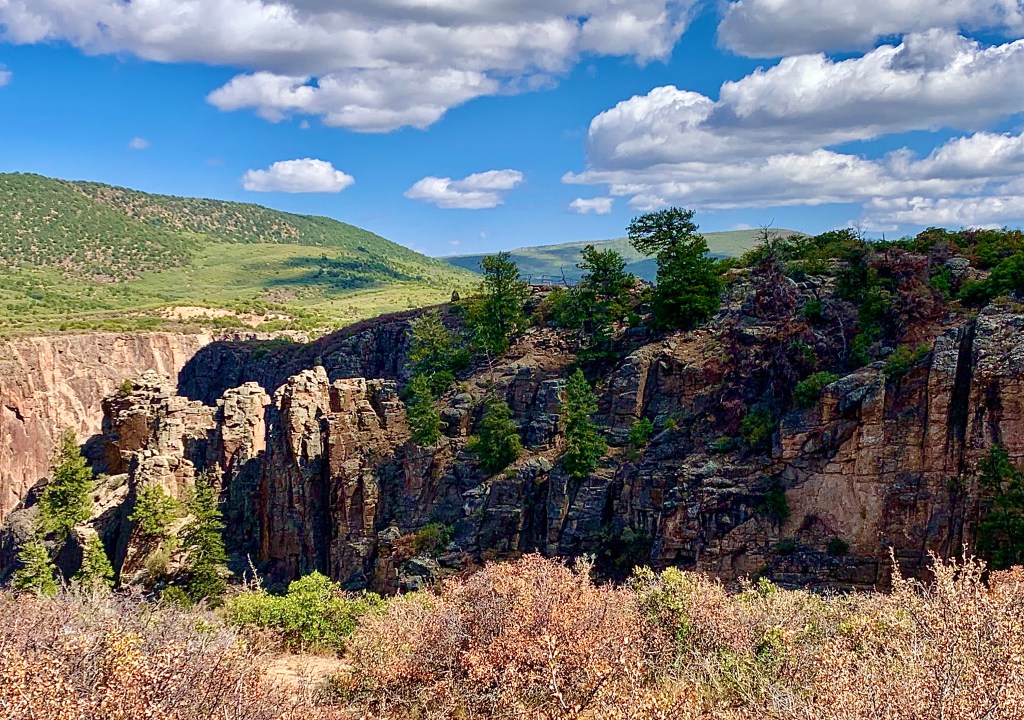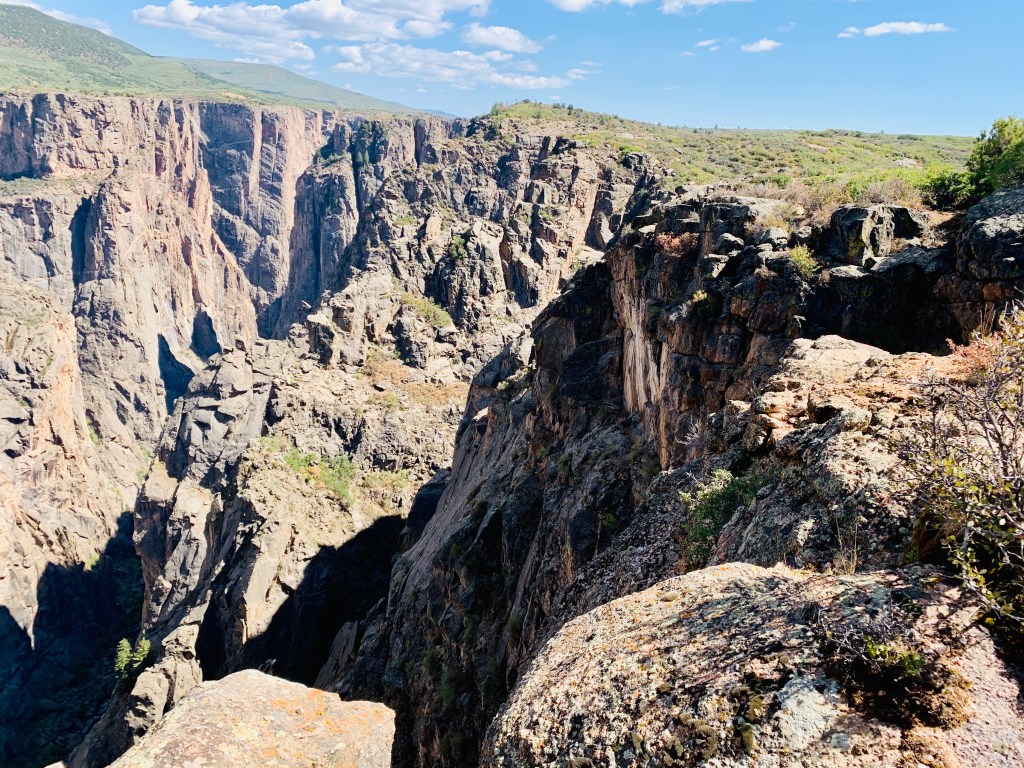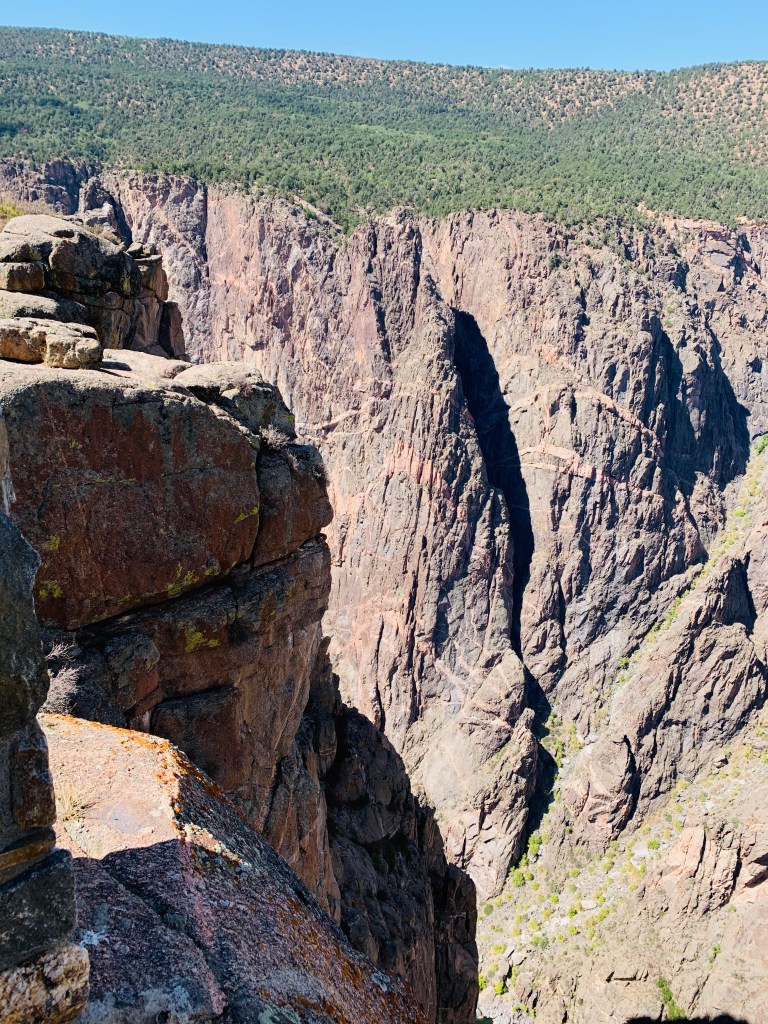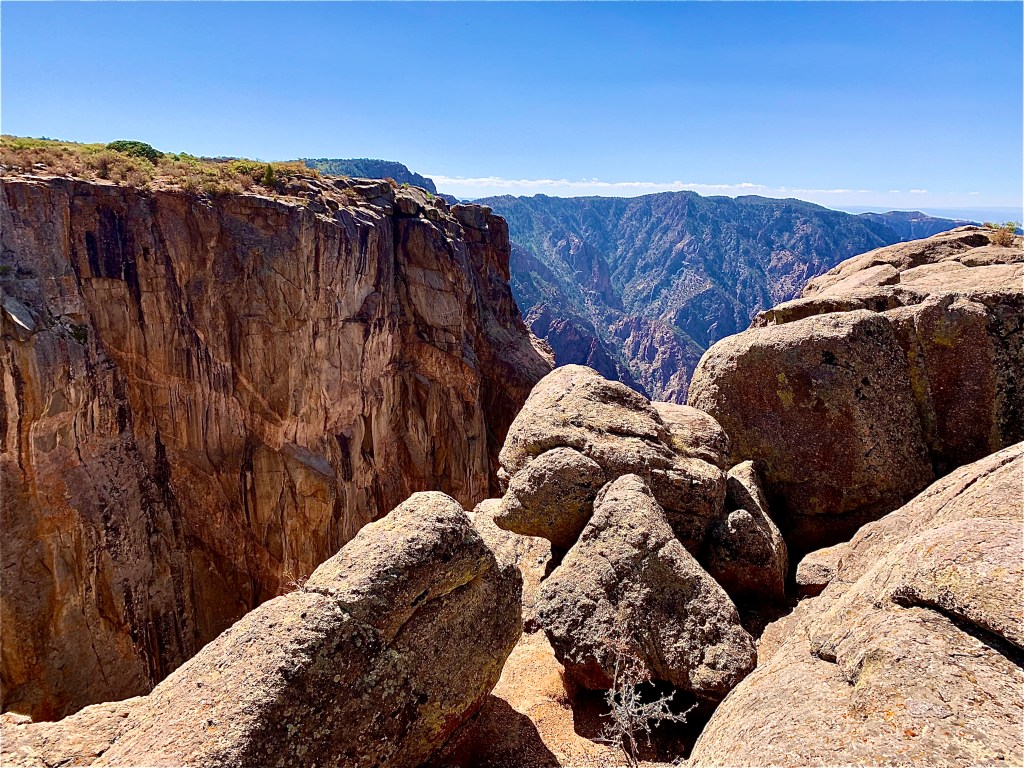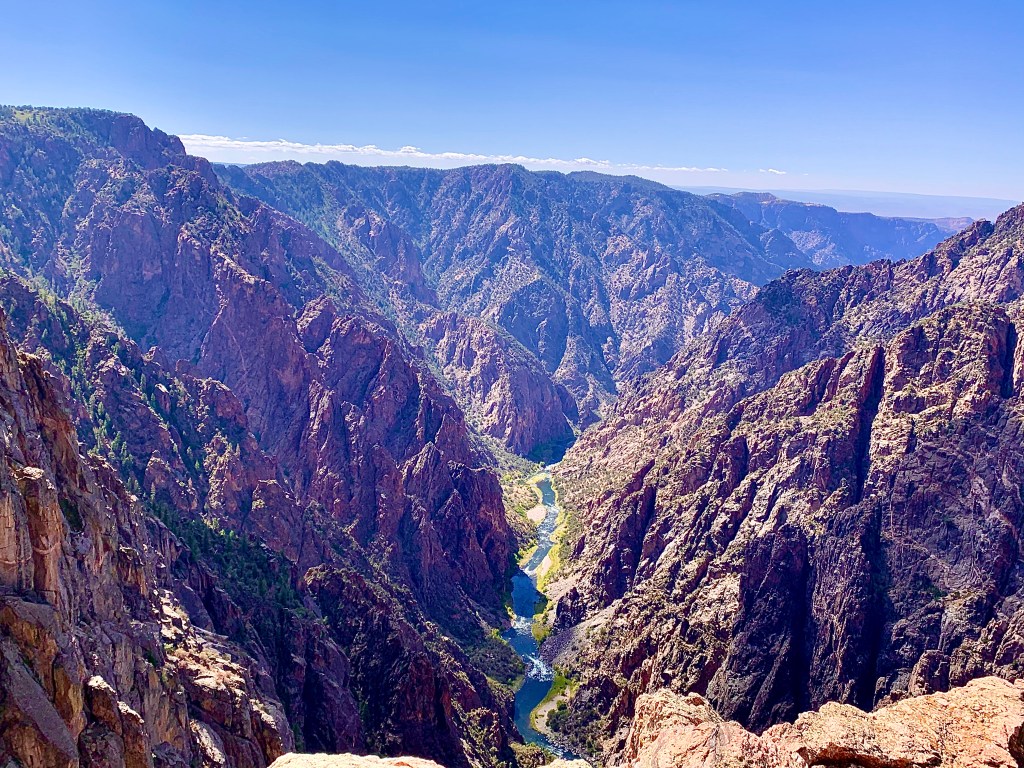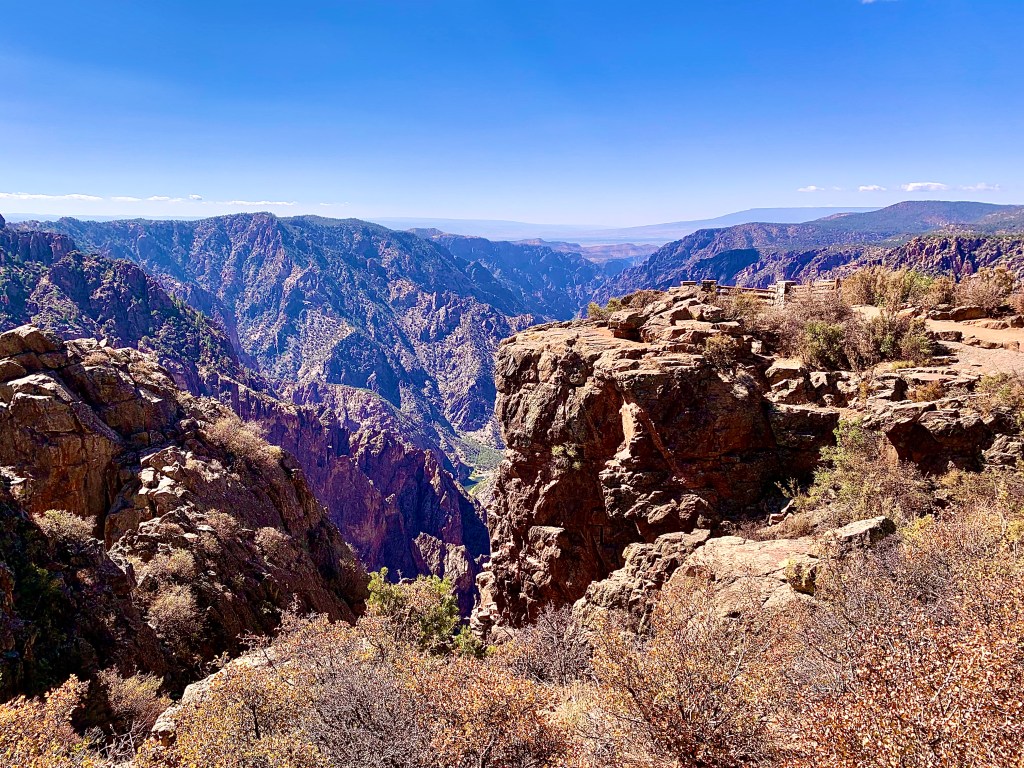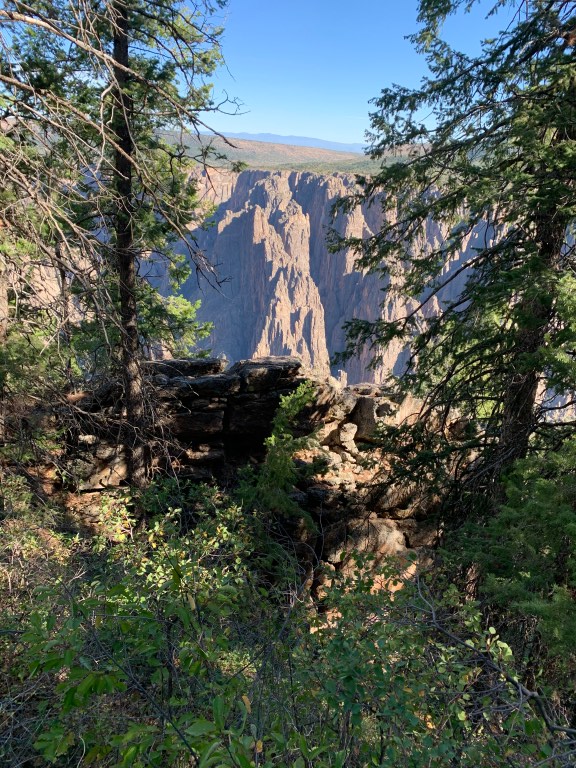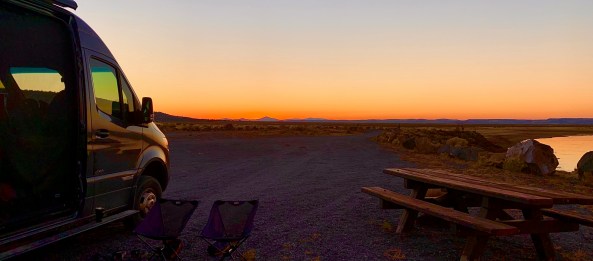
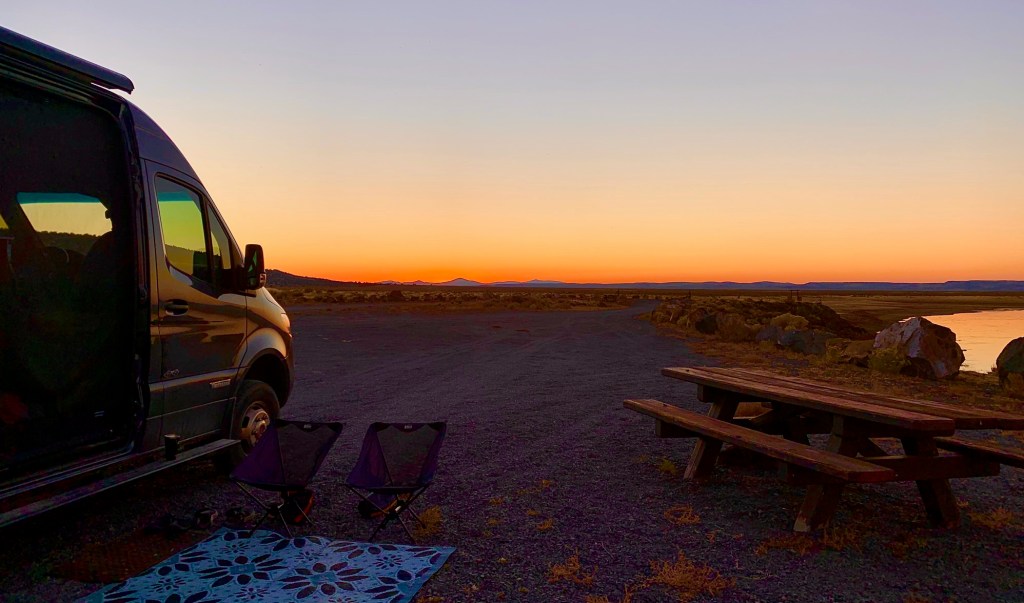
Traversing the Black Canyon of the Gunnison National Park

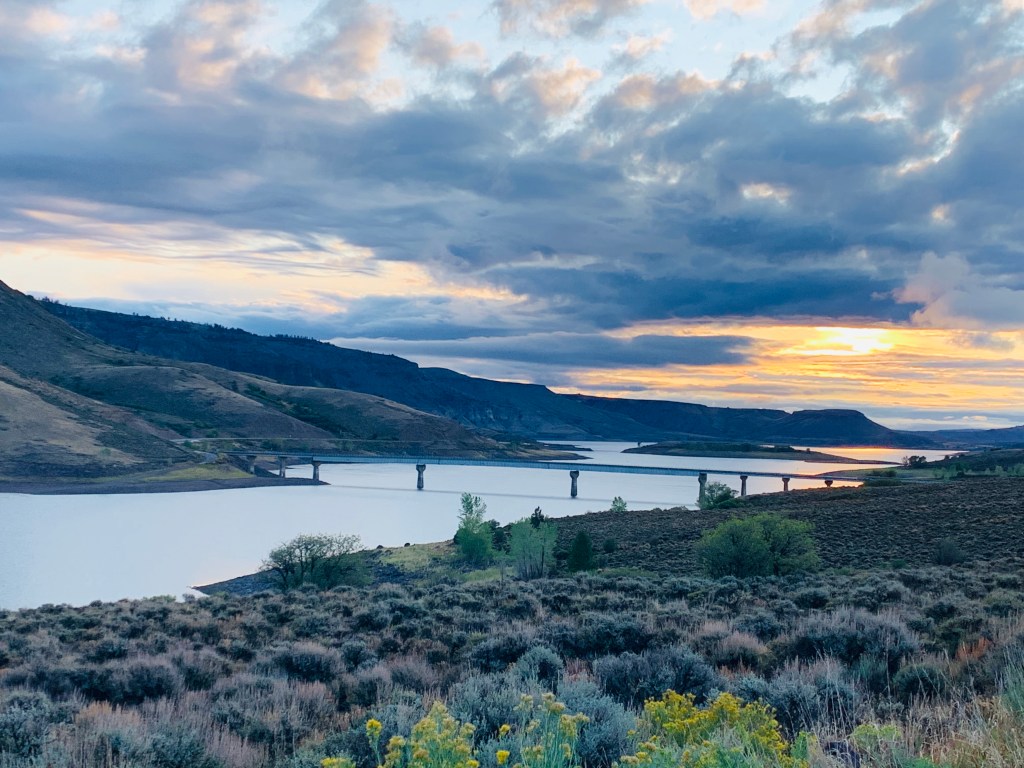
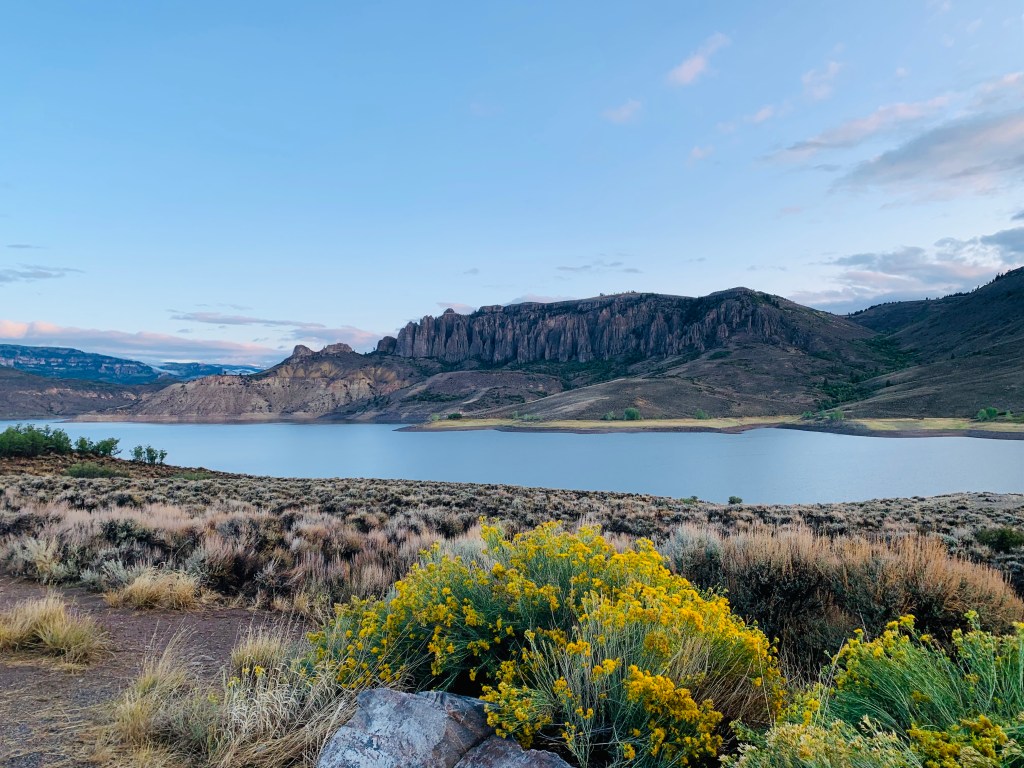
After Rocky Mountain National Park, we headed to the Curecanti National Recreation Area and the Black Canyon of the Gunnison National Park.  Taking highway 50 from the Boulder Area to Curecanti and Gunnison is a beautiful drive.  In 1965 the Park Service established Curecanti National Recreation Area, that would encompass all three reservoirs (Blue Mesa ReservoirMorrow Point Reservoir and Crystal Reservoir), as well as short sections of the upper Gunnison River.  It built campgrounds, marinas, lake access points while trying to protect, research and interpret the natural environment and local history.  The area really is a mecca for those who love to boat and fish.  If you are not a big boater or fisherman then there is not much to do here, as there are only a couple of hiking trails and none at Elk Creek Campground, which is the largest campground with over 160 sites, but for our purposes it served as a nice entry point to the nearby National Park. As of September, when we visited here are the campgrounds that are open and closed:

Elk Creek: OPEN, reservations highly recommended; limited self-registration sites available
Lake Fork: OPEN reservations required; same day reservations may be available
Stevens Creek: OPEN, reservations required
Red Creek: CLOSED FOR THE SEASON
Dry Gulch: CLOSED FOR THE SEASON
Ponderosa: OPEN – self registration – credit cards preferred
Cimarron: CLOSED FOR THE SEASON
East Elk Creek: CLOSED FOR THE SEASON

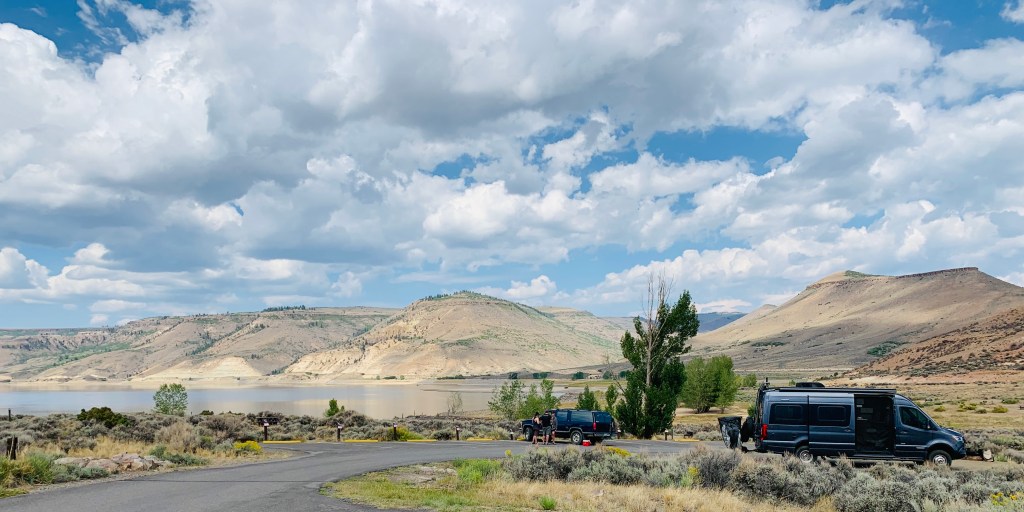
We started at the Elk Creek Campground, which has a few first come first serve spots on the reservoir.  You have to drive around and find them; the campground station is closed and you need to go to the visitor center.  They are not much help; they tell you either go on reservation.gov to reserve or drive around and if you find and open spot then come back to them and pay. There is no cell coverage at the campground and the first come and first serve sites change daily.  I asked, ‘can you help and tell us for tomorrow which sites are available?’  The park ranger said no and advised us to drive back to Gunnison and get internet access to find available spot on reservations.gov and then come back to them at the visitor center to purchase since you can’t make a same day purchase on reservation.gov website.  The last thing you really want to do is drive again after driving 100 miles.  WOW, is all I could think!  This day and age with technology this is how you manage a large campground?  But if you need RV electric hookups it is the only campground with hook-ups.  So we decided we would just stay one night and head off to the Black Canyons of the Gunnison National Park.   Our luck we also had a huge bachelorette party right next to us that blasted loud techno pop music part of the night out of their SUVs.  The campsite wasn’t bad but we prefer boondocking with a lot less people. 

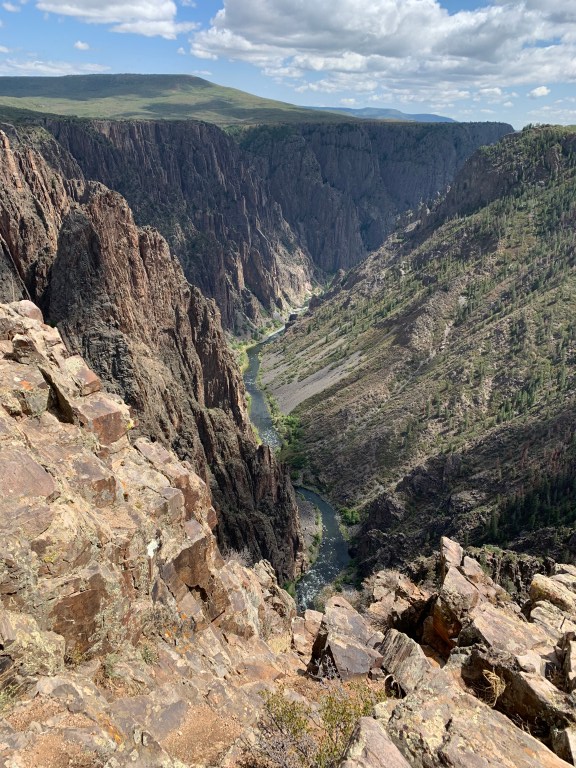
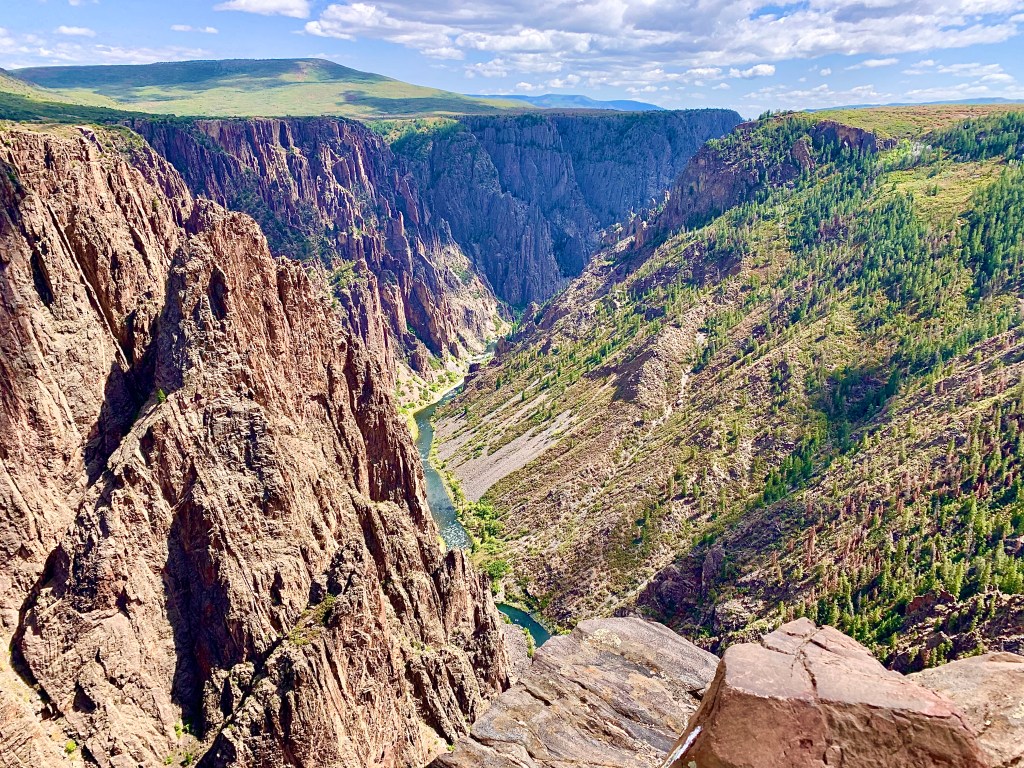
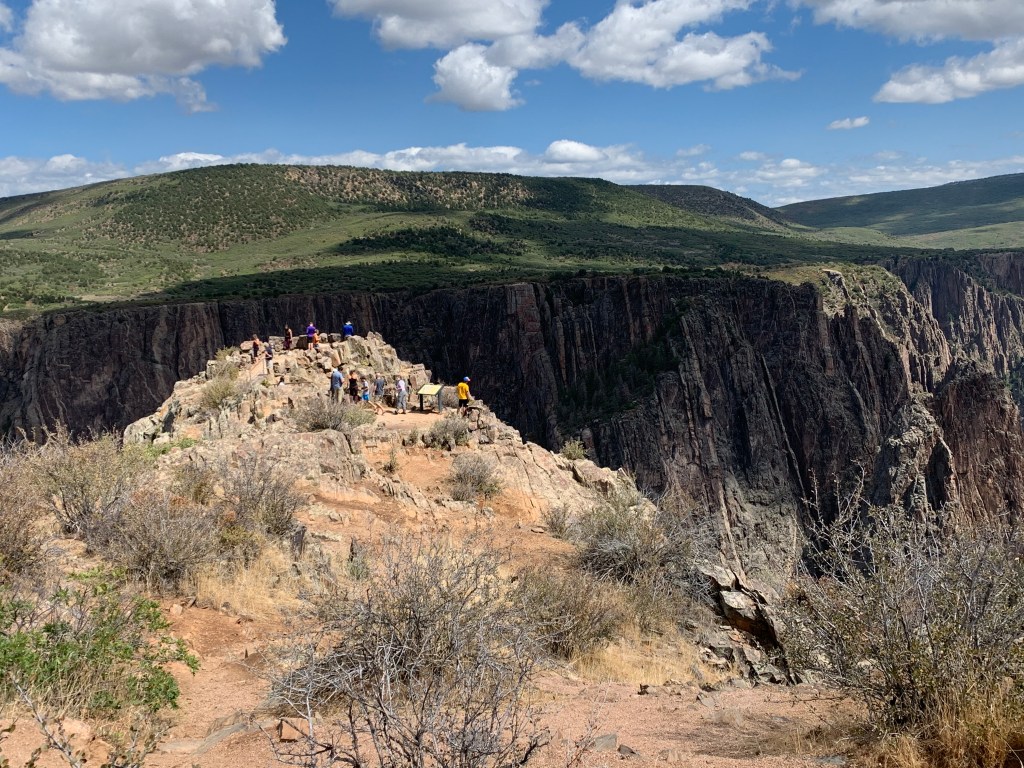
The next day we headed out early, it was very tempting to blast a little AC/DC at 5:30am for the hungover revellers, but we didn’t.  We got into the Black Canyon of the Gunnison at 830am and went straight to the South Rim Campground.  We have found if you get to campgrounds between 830am-10am before the 11am checkout there is a good chance to get a spot in September.  We were pleasantly surprised to find there is a full loop that is first come first serve (why doesn’t every park do this?).  With the huge rain storm the night before there were several available camp spots, so we scored a great spot.  There is a wonderful hike from the campground to the visitor center that allows dogs and has an amazing view of the canyon.  Here is a link to the park map.  At the visitor center we signed up for the evening ranger talk- Symphony of the Black Canyon of the Gunnison.  It was an entertaining talk but geared much more towards kids, but it was nice to have ranger talk organized.  Most of the national parks we visited all talks were cancelled.  They did a good job sitting people 6 feet apart and everyone had masks on in the amphitheater. 

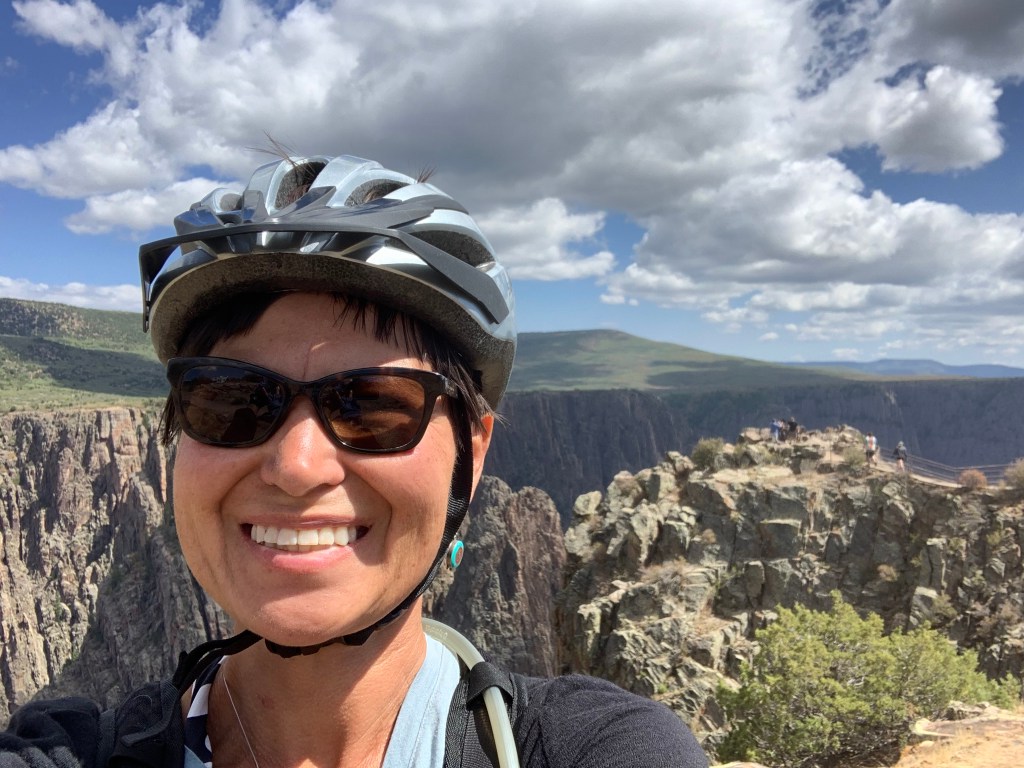
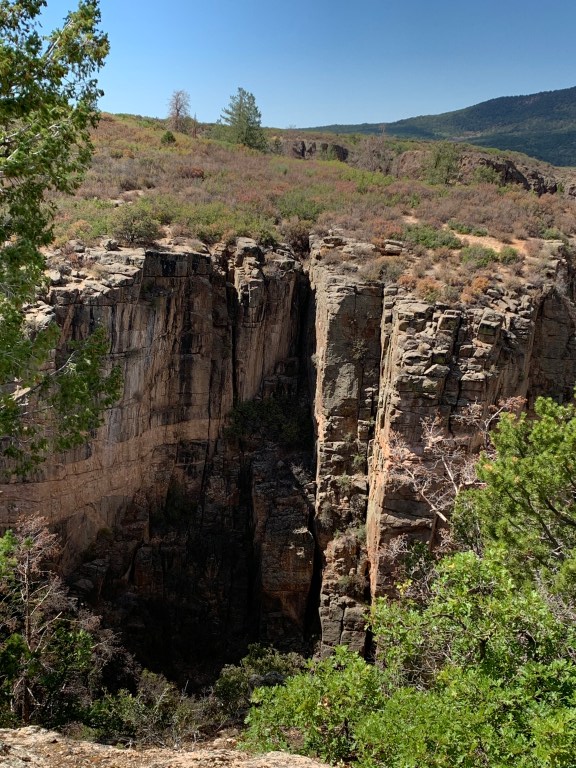
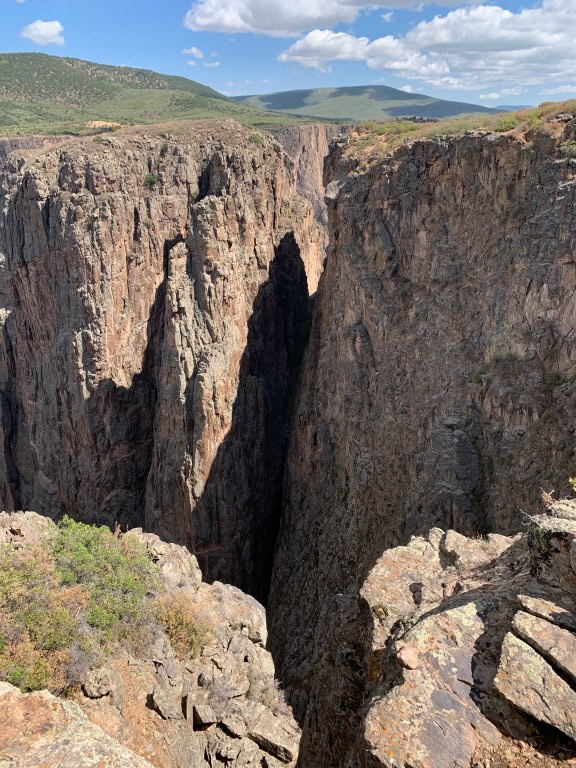
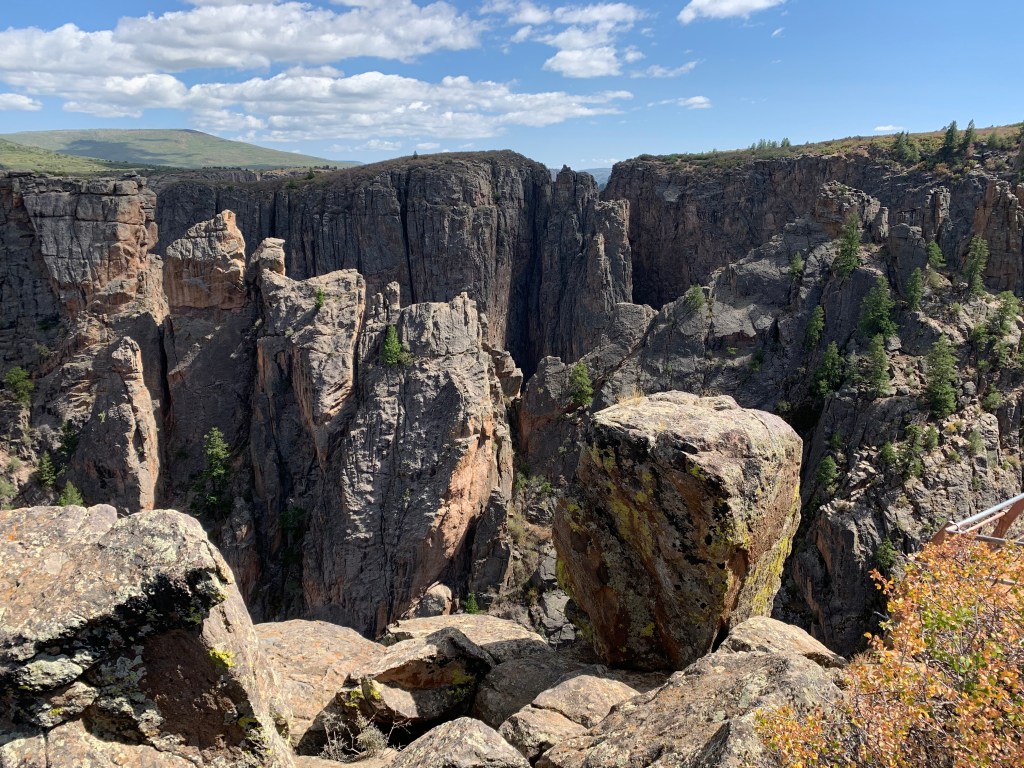
Day two we woke up early and took turns (someone had to watch our dog, AKA King Bode) from riding from South Rim Campground to High Point, which is a 20-mile round trip bike ride.  We checked out Pulpit Rock (at 2pm there is a ranger talk there), Cross Fissures View, Rock Point, Devil’s Lookout, Chasm View (1/3 mile hike), Painted Wall View, Cedar Point (2/3 mile hike), Dragon Point, Sunset View and then High Point which is 8289 feet.  At High Point you can do a hike to Warner Point (1.5 mile hike) where you can see to the South the San Juan Mountain Range, Uncompahgre Valley, and Bostwick Park and to the north look for the West Elk Mountains, and at the end of the trail enjoy the views of the Gunnison River and the Black Canyon.  I attended the astronomy evening ranger talk since Black Canyon has an International Dark Sky designation, so I was excited to see and hear about the area.  Once again interesting information but really geared toward children, very basic astronomy and takes a while before the ranger gets to it.  I did not realize that all ages are welcome to become junior rangers and their workbooks are interesting even if they are geared toward children.  The Black Canyon of the Gunnison has a really cool wooden junior ranger badge that they were giving out to those interested.  I was disappointed though that many people took 3-6 badges instead of just one, as the ranger stressed they only have so many to go around. 

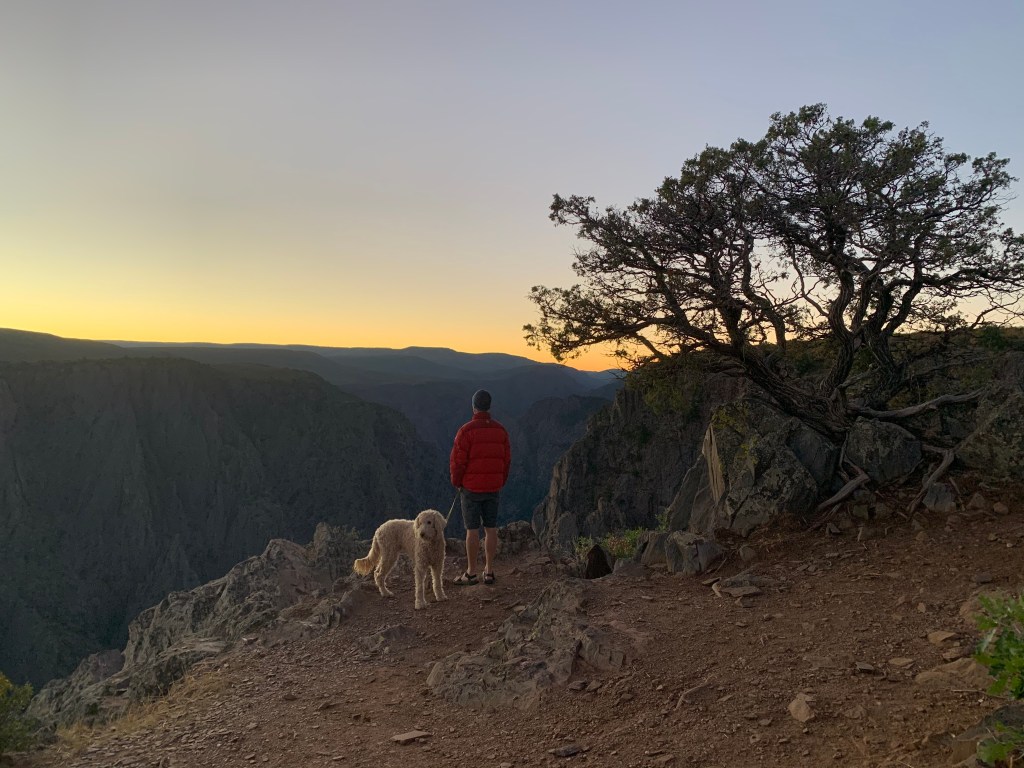
We woke up early and headed down the Rim Trail again to see the sunrise over the Canyon, it was amazing! The last day we ventured and did three round trip hikes from the campground the Rim Nature Trail to the Uplands Trail to the Oak Flats Trail.  I really enjoyed the Oak Flats Trail it has amazing views and had you going half way down the canyon with a different perspective that wasn’t too difficult or too steep.  I would highly recommend bringing a walking stick.  We were surprised that the state of Colorado had a fire ban but the national park allowed everyone to have fires at their campsite?  We really enjoyed this national park, the campground, the ability to go for hikes and bike rides from the campground and the lack of people!  It was really enjoyable, people who were there were super considerate and all wore masks! 

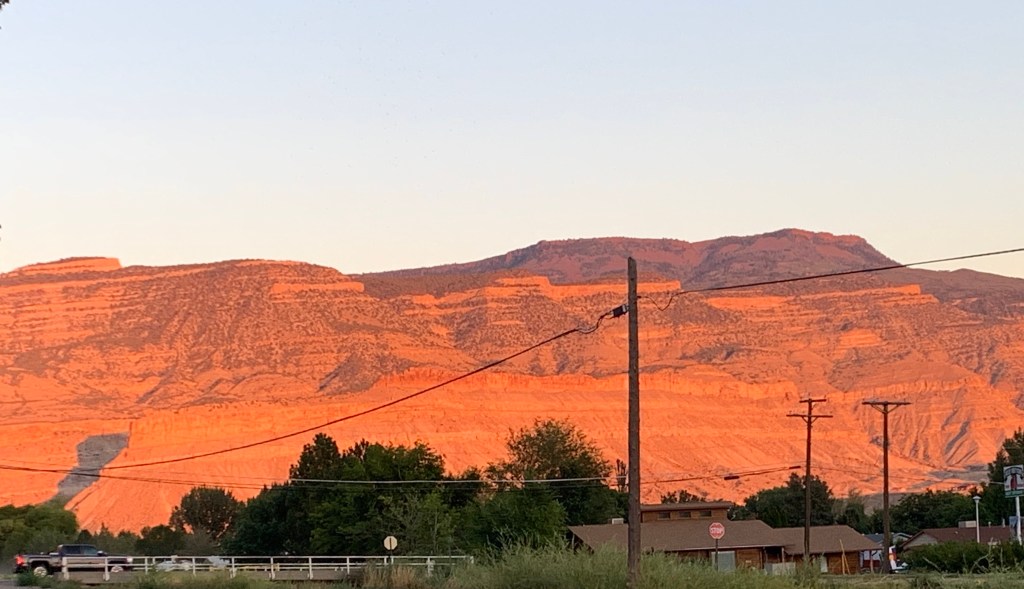
The next morning, we got up early, filled our water before heading out and drove to Grand Junction, CO.  First, we stopped by the Montrose Fairgrounds to the free RV dump, got gas and refilled our groceries from Walmart.  At Grand Junction we visited Colorado National Monument, we had never heard of it but the Canyons and rock formations were awesome and there were so few people, but it was hot (90s).  There is also a large mountain biking area before the park entrance on monument road.  Note, RVs that are higher than 12 feet you must go through the Fruita entrance instead of Grand Junction was there is a tunnel you must go through this way and only has a 12-foot clearance at the highest point and on the side only 10’7”.  We did the Serpents Trail that goes from the tunnel to the Devil’s Kitchen picnic area (3.5 mile round trip hike).  We stopped at Cold Shivers Point, Red Canyon Overlook, Ute Canyon View, Fallen rock Overlook, Upper Ute Canyon Overlook, and Highland View.  By midafternoon, we were so hot and ready to head to our Harvest Host for the rest of the day.  We headed to Palisade, the wine country of Colorado.  It’s not like Oregon, Washington or California wine country but its cute and there is also a lot of fruit farms. This time of year, there was a lot of peaches and sweet corn.  We stayed at Grande River Vineyard.  They are super friendly, and it being Labor Day weekend they allowed us to stay 2 nights so we did not have to figure out where to stay as all campgrounds were full in the area.  Their landscaping was well done, they had a large level gravel parking lot and during the heat their covered picnic area was perfect to relax, look at the rocks and have a cool place to stay.  It was nice we were the only RV the first night and the second night there was just one other.  I highly recommend their location and their Reserve Cab Franc. The second day, Greg did a bike ride along the Colorado River from Palisade to Grand Junction, I took Bode for a walk to the City Park on the Colorado River (he had a nice cool down swim) and visited a fruit stand to get a fresh peach & peach butter to make peach crisp.  Before heading out of town we thought we would do a hike on the Corkscrew Connector Trail if you are a campervan or RV bigger than 15 feet, I recommend do not go down Wildwood drive to the trails.  It is in a residential neighborhood who really don’t want you there and the trailhead parking lot is small, if you aren’t a Revel, truck topper, or small camper van you will probably not fit. 

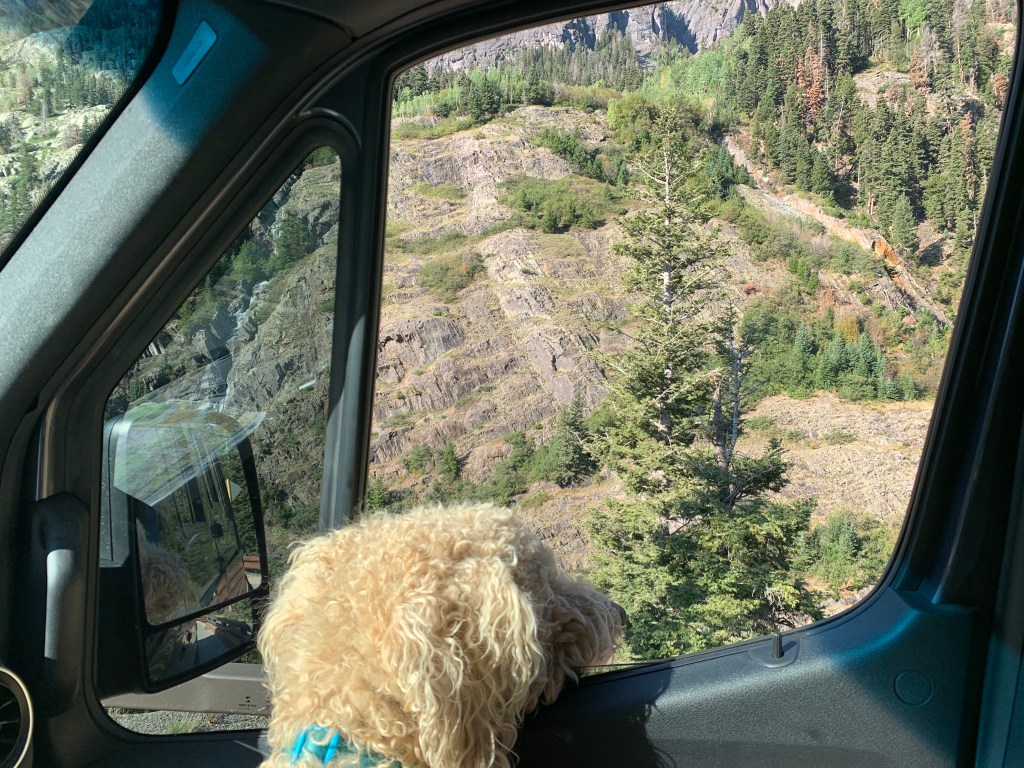
Our next stop would be Great Sand Dunes National Park but a huge snow storm was heading our way, so we decided to take Highway 550 via Durango to get lower elevation than take the faster route Highway 50 back through the Gunnison Area.  I highly recommend taking Highway 550 its beautiful through Ouray.  More about that in our next post!  Thanks for reading!

Learn more about:

  1. Curecanti National Recreation Area
  2. Black Canyon of the Gunnison National Park
  3. Colorado National Monument
  4. Get a 15% discount for Harvest Host Membership
  5. Grande River Vineyard and Palisade Wine Country

Exploring Rocky Mountain National Park

I have a new respect for great youtubers and bloggers and I will no longer complain or make fun of a vlogger who did not have the most engaging post.  It is hard work to have an entertaining post!  We have been on the road for nearly 6 months now and my goal when we first started was a video/blog a week.  Being on the road, much of this country has dead zones with zero cell service, which makes editing and posting blogs and vlogs on YouTube and WordPress difficult if you are trying to be consistent!  After traveling 100-150 miles in a Sprinter Van, setting up camp, cooking, cleaning, hiking, biking, and/or paddle boarding, many times I find myself just wanting to enjoy a beer and the view and not jumping on my computer to write or video edit!   I have found myself not posting for several weeks or even getting my computer out, which is not good if you are trying to create a following.  You must have consistency with vlog/blog postings every week.  I also did not realize how much work it is to create a good video and the frustration of right before compressing your video(that you spent 50 hours editing) that your audio for one part was bad and hard to understand and need to decide do I: redo the video, do a voiceover, just add music or say oh-well and post the bad audio (I’ve done all but redo the full video, which is not good if you are trying to create great quality- sorry to those who would like us to redo the Boldt Review Video!).  I have decided I probably won’t get to be the quality level to get great sponsors but hope these will be helpful for your travels, help newbie RVers not to make our same mistakes or be great virtual explorations if you can’t get out to these wonderful places.  This week’s post won’t have a video but just photos.

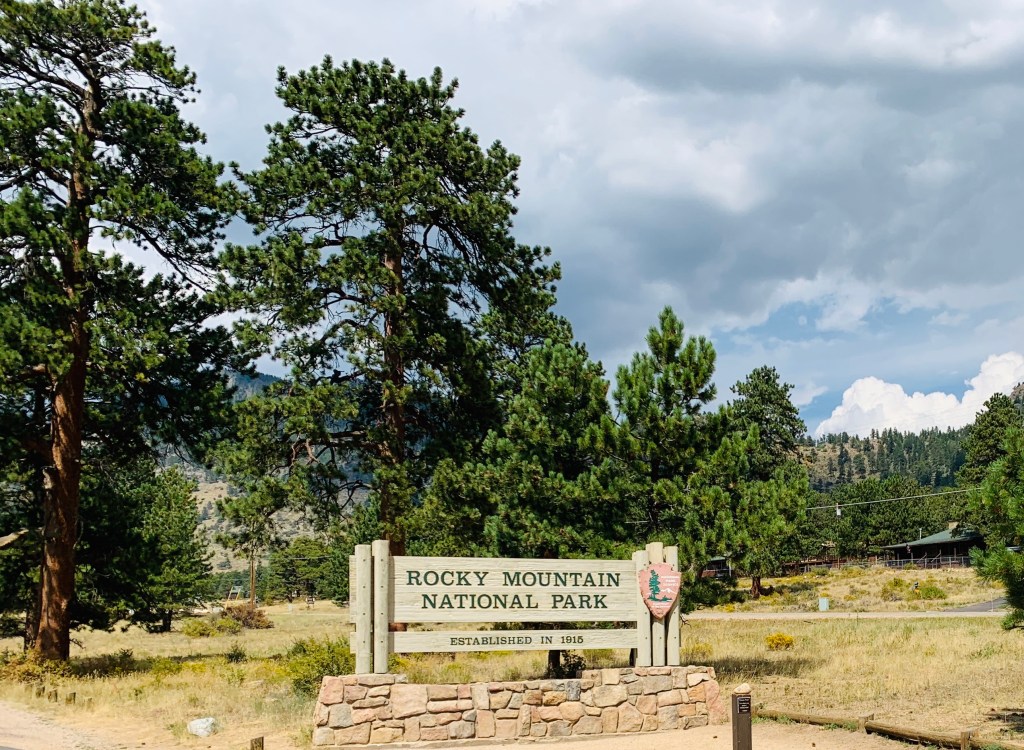
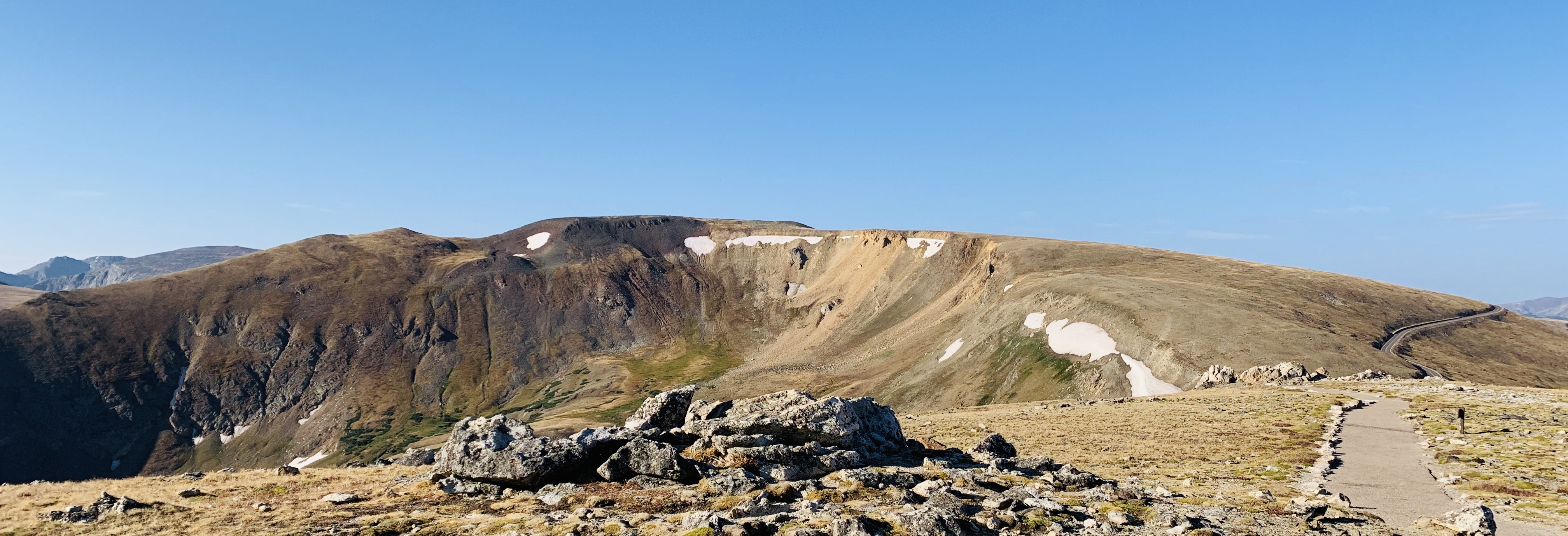
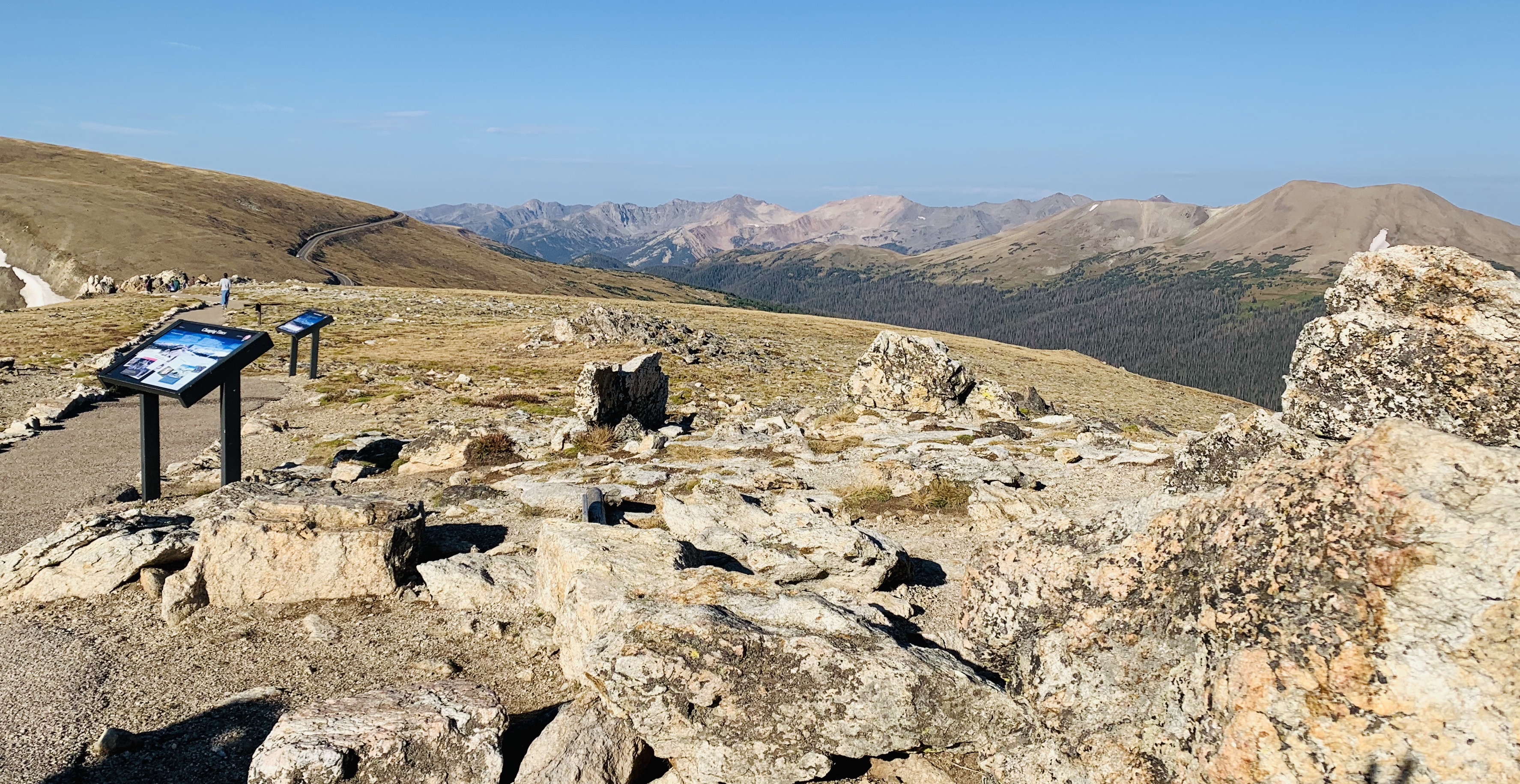
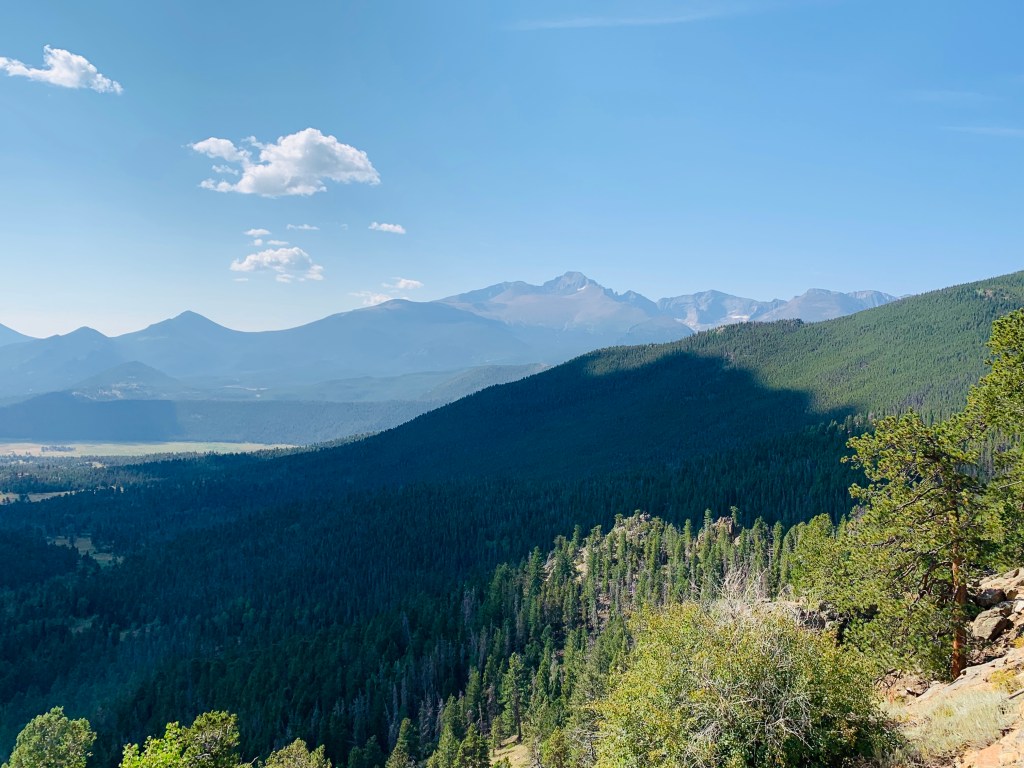
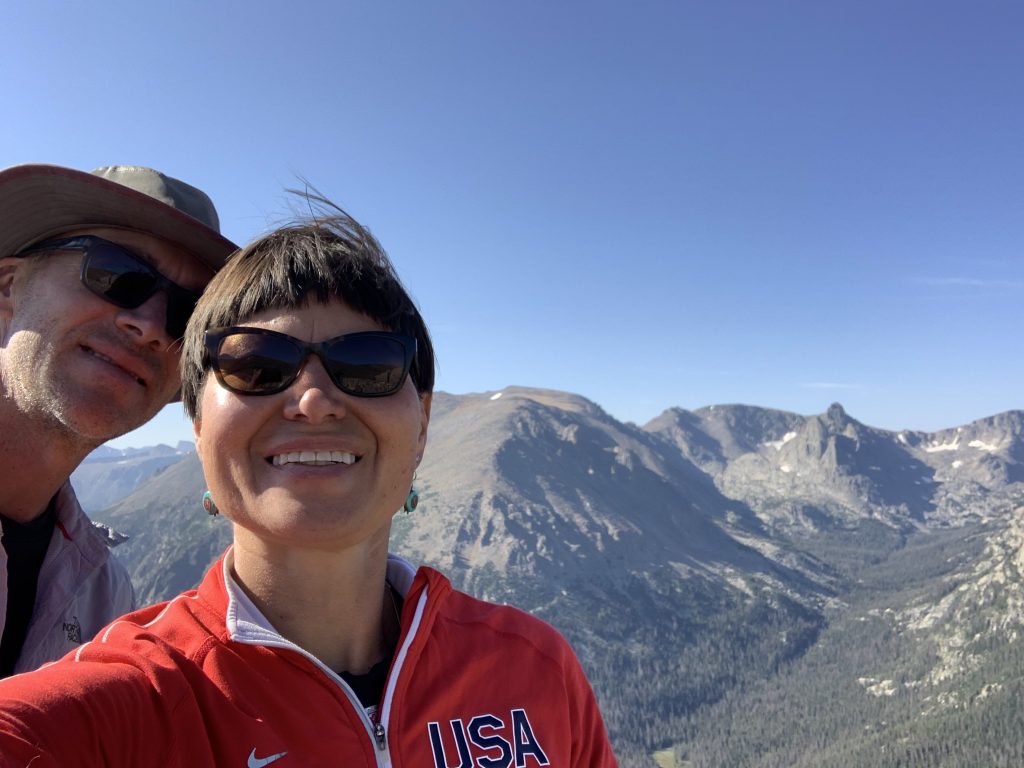
This week I’ll be sharing our adventures at the Rocky Mountain National Park.  We were considering skipping this park since it is so close to Denver and we have been trying to avoid huge crowds but I am so glad Greg pushed us to change our minds.  Currently, with COVID19 Rocky Mountain requires you to have a timed entry permit or a campground reservation or arrive before the park opens at 6am.  This is fabulous and made this one of our favorite places to visit, as there are about 60% less people in the park right now!  The only two campgrounds are open (Moraine Park and Glacier Basin) and only half of the campground is open for social distancing requirements.  Even if you go on reservation.gov and see no campsites available, I suggest calling the toll-free number (877-833-6777) and sitting on hold for 45 minutes as several people cancel last minute and this is how we got our two-day campsite reservation.  We stayed at Glacier Basin in Loop B, if you can get Loop C that is the loop with the amazing views and a chance to see Elk and Moose in the meadow if your neighbors can be quiet and not run their generators. 

We entered from the westside, which I recommend as only 20% of park attendees come from this entrance, most come from the eastside-Denver Area.  We camped the night before at Lake Granby at Stillwater Campground, which is a fun paddle boarding lake.  We decided to stay here instead of boondock since a big thunder and windstorm was expected for the late afternoon and we didn’t want to get our van stuck in sand.  There were a lot of fisherman and plenty first come first serve campsites next to the lake.  We left early the next morning 5am to hit the park to see wildlife.  We were able to see moose, elk, prairie falcon, peregrine falcon, marmot, ground squirrels and golden eagles.  There was plenty of room to stop at every pullout and interpretive trails and hiking trails.  All morning we only saw 3 cars until we got to Deer Ridge Junction when you get to the intersection of 34 and 36 the eastside and westside.  We stopped at the EndoValley Picnic Area which is the end of 2 way.  We were going to bike the Old Fall River Road which is one way the road is a gravel dirt road and pretty narrow, not something you want to attempt in your camper van unless you are a great backroad 4X4 higher clearance driver.  It was already 90 and when seeing how close cars/trucks come by you on the trail we decided to turn back on our bike ride.  After stopping at Sheep Lake, looking for our Bighorn Sheep (none were out) we headed to our campground before the big thunderstorm hit again in the late afternoon.  This campground also had an RV dump and water fill area, which was great! 

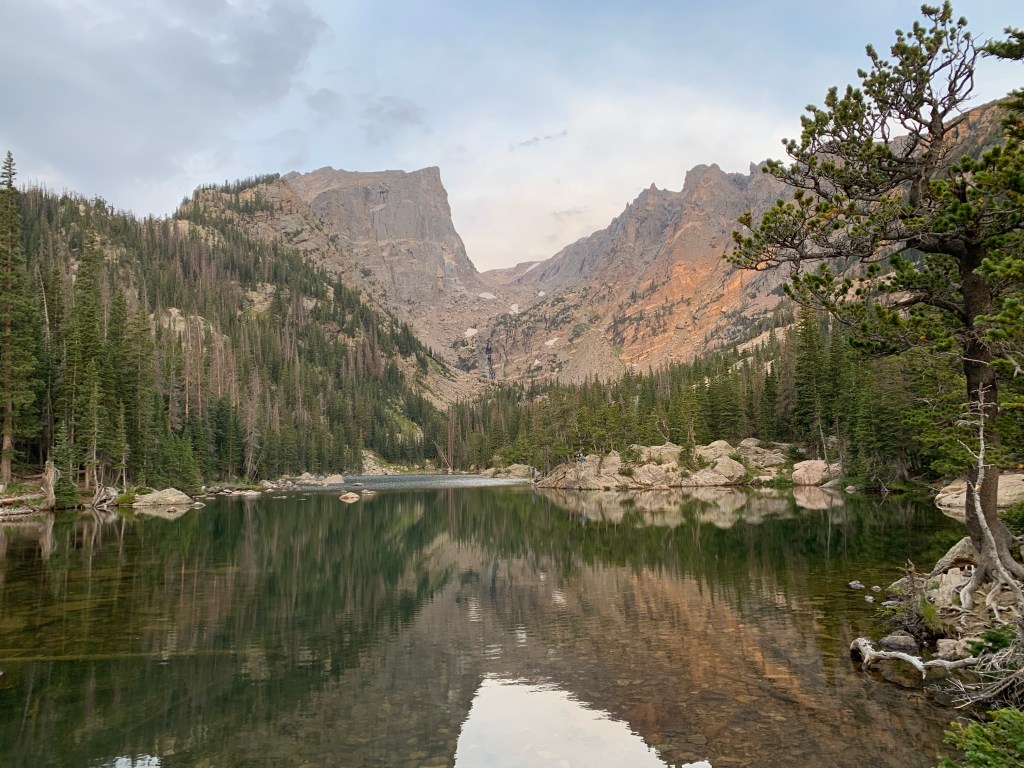
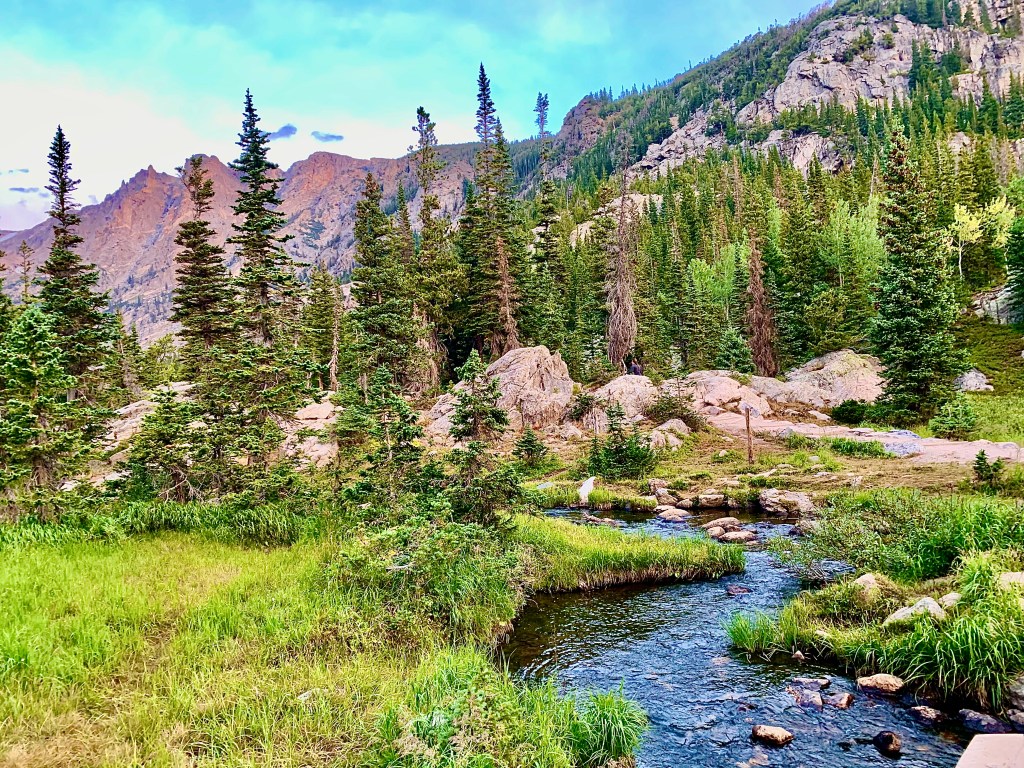
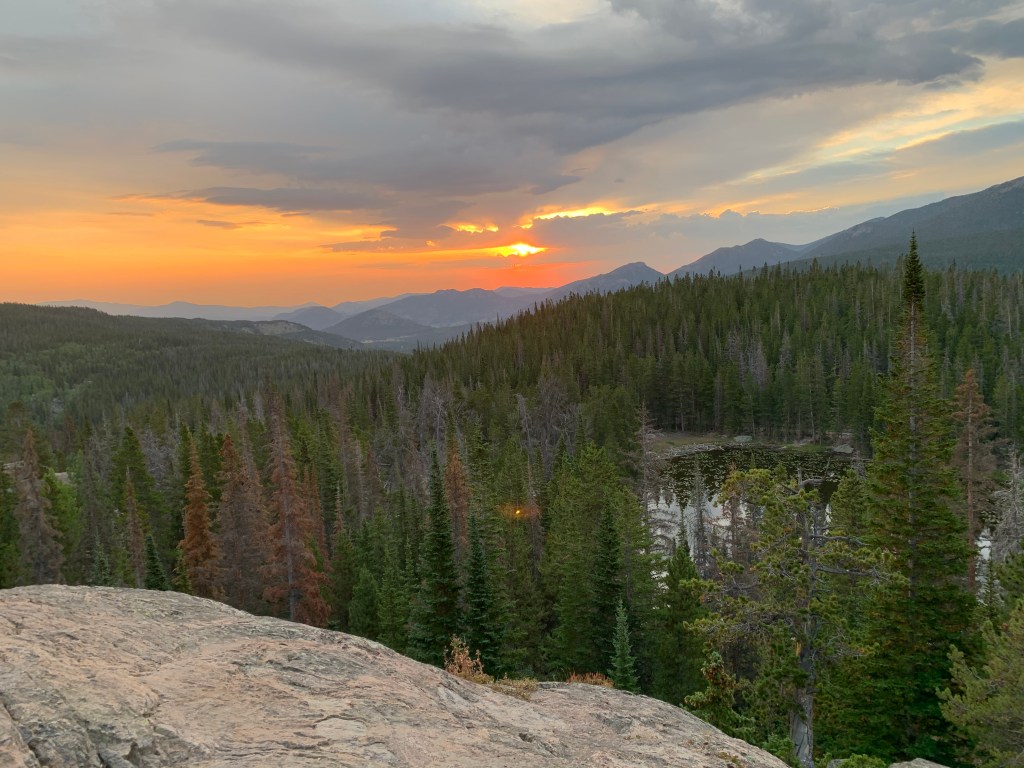
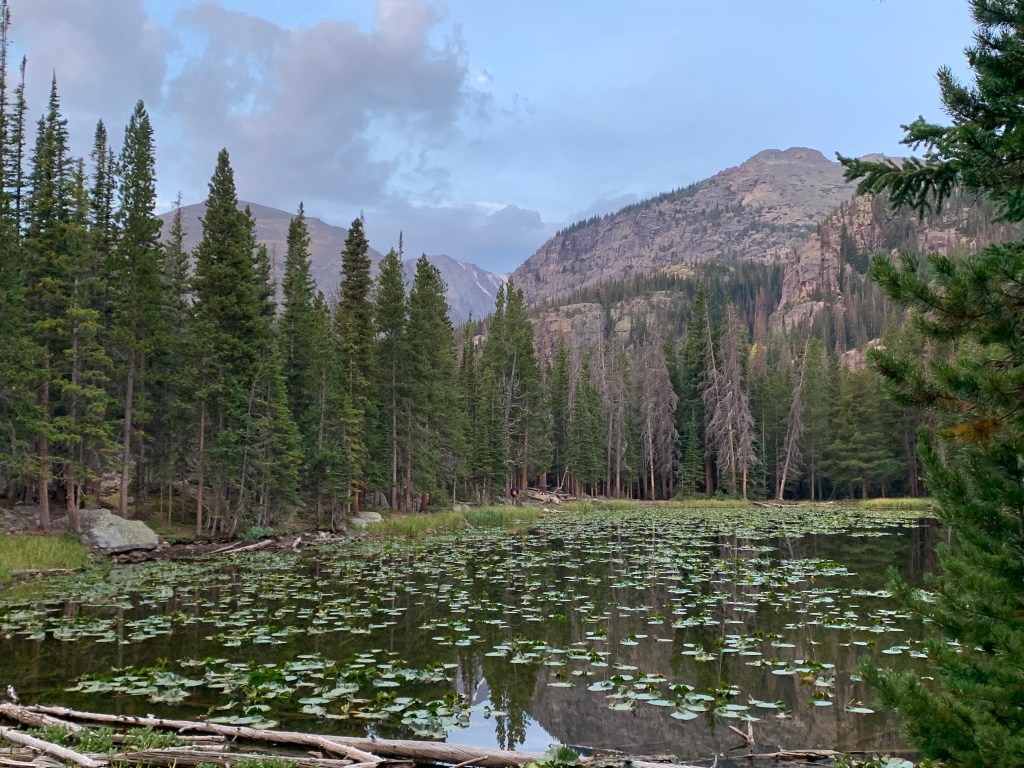
The next morning, we headed out early again at 5:45am as I wanted to hike to Dream Lake to watch the sunrise.  Note RVs greater than 21 feet need to park before you get to the Glacier Gorge Trailhead there is a parking lot RVs could fit under 25 feet and a couple pull outs after Bierstadt Lake Trailhead right before Glacier Gorge. Note: There is a sign that says RVs greater than 23 feet should not go beyond the Park and Ride across from Glacier Basin.  We did not notice this so when we got to Bear Lake we were asked to leave that our rig was too big (we are 23 feet). Greg went back to the campground and I did the hike by myself and I would take the shuttle back to the campground.  There is a free shuttle but it doesn’t start running till 730am.  I highly recommend taking the shuttle, remember to bring your mask it is required to get on the bus. I got there just in time to take the trail to see Bear Lake, Nymph Lake, Dream Lake and Emerald Lake and watch the sunrise over Dream Lake.  It was beautiful but a lot of traffic!  The parking lot was almost full at 6:15am and the Glacier Gorge Trailhead parking lot was already full.   As I returned to Bear Lake Parking Lot, I decided to take the Alberta Falls Trail and then return to the Glacier Gorge Trailhead and take the shuttle back to the campground.  The campground has water and an RV dump.  We then took Highway 7 out of the park and the backroads to North Glenn as we head to Florissant Fossil Bed National Monument.  We decided to stay at Cracker Barrel for the night but there were several great boondocking spots along the river on highway 7. 

Advice if you go to the park:

  1. Enter through the Westside, only 20% of visitors come this route
  2. If camping at Glacier Basin campground stay in Loop C
  3. Do sunrise hike to Dream Lake
  4. Use the free shuttle, make sure to bring a mask or you can’t get on!
  5. Bring your bike/e-bike to travel through the park makes it much mroe enjoyable

Visiting Dinosaur National Monument

RGB Adventures visited Dinosaur National Monument on the Utah and Colorado border.  This was one of my favorite monuments I have visited so far in the last six months.  We spent three days in the park and we still did not have a chance to explore the northernmost areas of the park and missed the Gates of Lourdes…something for next time.  Perhaps because of Covid19, it was the least amount of people we have come into contact with in the national parks and monuments.  It was wonderful to have so many hikes and opportunities to visit petroglyphs by ourselves.  I highly recommend getting the first 9am appointment at the quarry and doing hikes by 7am.  Most people are not out and about yet and the sun isn’t beating down on you.  Also, the rangers still are excited to answer questions!  The temperatures are more in the 70s instead of the 90s. 

This blog and video are dedicated to the members of the National Girls Collaborative Project.  When I worked for Microsoft, I had the opportunity to join the champions board and volunteer for the organization for the last 10 years.  As many who know me are aware, I am passionate about encouraging women to undertake careers in engineering and STEM and that is what NGCP is all about with an amazing leader and great friend Karen Peterson!  I hope this blog excites girls to consider careers in the environmental sciences!
We started off by entering at the Jensen, Utah gate and went to our campsite at Green River Campground.  There were several first come first serve sites there so we did not have to make a reservation.   The next day, we got up early in the morning to hike through several petroglyph sites, enjoyed the amazing rock formations at the Sound of Silence 3.2 mile hike and instead of taking the tram we did the 1.2 mile one way discovery fossil hike to the quarry exhibit.  You must go online and make a reservation for the quarry due to COVID19, its only $1 a person. 

At the quarry there are park rangers and scientists who are geologists, archeologists, anthropologists and paleontologists studying these dinosaur bones.  Their research into ancient life helps us better understand earth and human life.  They have helped us better understand how different organisms interacted with each other and the environment and how its changed over time.  They are helping us understand the effects of climate change and how plants and animals are evolving. They also help us better understand why certain life goes extinct while others keep surviving.  If learning about these areas are exciting to you then you may want to pursue a career in Geology, Archeology, Paleontology or Environmental Science.
I had a chance to meet, talk and interview a park ranger who is a geologist and archeologist.  She told me that today the quarry is home to over 1,500 dinosaur bones and they encourage you in some places to touch the 149-million-year-old dinosaur fossils in the exhibit quarry.  It was exciting to hear her stories about the history of the park and the quarry.  The quarry contained eleven different species of dinosaurs such as allosaurusdiplodocus, and stegosaurus.  Check out the online multi- media exhibit of the quarry. When you see the quarry you wonder did paleontologists really discover the bones as they are presented, or did someone artfully place them here for effect?   Is this real or just a replica of what was in the past when they first dug up these bones? The answer is that paleontologists discovered the bones just where you see them today!  It’s incredible that everything in the quarry is real. The bones are just as nature arranged them more than 150 million years ago, deposited by an ancient stream.

The river coursed through a lowland area and dried up. Dinosaurs gathered around shrinking pools of water in the river bed and eventually died in place, to be entombed by sand and gravel when the river flowed once again. With more time, the river amassed large quantities of bones (like a huge graveyard, behind a dam). Layers of mud and sand began covering the bones, eventually hardening into rock. Here they remained, waiting for the next cataclysmic event and the explorers who eventually discovered them.

About sixty-five million years ago, that event began to occur. Forces beneath the earth’s crust began to exert themselves, forcing the crust upward, causing it to buckle and the riverbed containing the bones to tilt upward. Now near the surface, it was inevitable that erosion would eventually expose the bones and that one day someone would find them.  In 1909, Earl Douglas found the first bones of dinosaurs here as he was searching for fossils for the Carnegie Museum when he discovered a formation layered with prehistoric plant and animal fossils. A quarry was established and in 1915 Dinosaur National Monument was created to protect 80 acres in the quarry area as people were pilfering dinosaur bones. Today, the monument includes over 210,000 acres across two states. After this amazing experience, we returned to the visitor center via the discovery trail and by 10am it was already 90 degrees! 

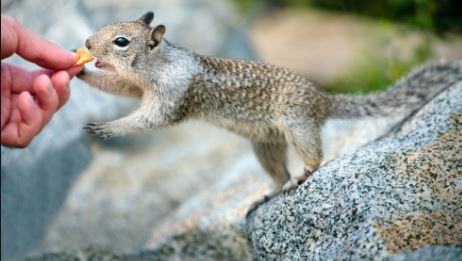
We returned to our campsite only to be overrun with aggressive ground squirrels and chipmunks.  This is what happens when bad humans habitually feed the wildlife.  Bad humans!  So we headed to the River Access about a mile past the campground, to escape the little marauders.  It was relaxing to enjoy the Green River and admire the rock formations.  Let me tell you a little science behind all these different looking rock formations you will see in my video and below.

The geology and rock formations are amazing.  The following information comes from the National park Service.  Dinosaur National Monument receives less than 12 inches of precipitation a year, vegetation is thin and the rock layers and the geologic features are clearly visible.  Dinosaur is located on the southeast flank of the Uinta Mountains, a subrange of the Rocky Mountains and the highest mountain range in the contiguous United States that runs east to west. The landscape at Dinosaur was shaped by the development of these mountain ranges during the Laramide Orogeny, 70-40 million years ago.  Twenty-three rock layers are exposed at the monument. These rock layers are remnants of extinct ecosystems spanning 1.2 billion years, from ancient seas, to plains where dinosaurs roamed, to Sahara-like deserts that were home to tiny, early mammals. When the Rocky Mountains began to rise, this area went along for the ride.

At Dinosaur, the mountain-building did not simply push up the rock layers from below, but also squeezed them from the sides, warping and lifting them, sometimes cracking and shifting them along fault lines.

Throughout the monument, much of the spectacular scenery–the faults, folded and uplifted rock layers, and river canyons more than a thousand feet deep–reflect the tremendous geological forces that shaped this area.  You can see this at Split Mountain, the Sound of Silence hike (there is a virtual tour on my video of this hike) and the amazing canyon views on the Harpers Canyon Road in the Canyon entrance by Dinosaur, CO.  The Green and Yampa rivers are central to the extensive geologic history on display at the monument. Over millions of years, the waters of the Green and Yampa have cut deep canyons, exposing rock layers that were uplifted during the Laramide Orogeny.

The next morning before we left the monument, we road our e-bikes to visit two more petroglyph sites past the Green River Campground, hike Box Canyon and visit Josie Morris’s cabin (she was one of the first woman homesteaders in the area-you have to read about her amazing story).  Most petroglyphs in the monument came from the Fremont Indians, who lived in the canyons in and around Dinosaur National Monument 800 – 1,200 years ago. They were the forerunners of tribes such as the Ute and Shoshone, who still inhabit communities in the area today. 

Homesteading was a man’s world back in the 1900’s.  It was interesting to read about Josie defying the woman’s role as people knew it back then and paving the way for woman to own property. With no money to buy property, in 1913 Josie decided to homestead in Cub Creek in what is now the Dinosaur National Monument. Here she built her own cabin and lived for over 50 years in it mostly by herself. For a time, Josie shared her home with her son Crawford and his wife; grandchildren spent summers working and playing alongside Josie.

Raised on the frontier, Josie lived into the modern era of electronics. For friends and acquaintances in the 1950s, Josie was a link to a world past. During Prohibition in the 1920s and into the 1930s, Josie brewed apricot brandy and chokecherry wine. After a lifetime of dressing in skirts, she switched to wearing pants in her later years. She was tried and acquitted twice for cattle rustling when she was in her 60s. At the age of 71, in an ambitious move to revive a profitable cattle business, she deeded her land away and lost all but the five acres where her cabin still stands.

After our bike ride and hikes we headed out of the park and down highway 40 to the Dinosaur, CO Canyon Visitor Center entrance to see the canyon, change of vegetation and scenery.  It’s about 10 degrees cooler here because of the higher elevation.   We ended our visit by driving down Harpers Corner Road to see the Red Rock Canyon and Round Top Mountain and Island Park Overlook we were able to look down to the area we camped and explored which was an interesting perspective.  I recommend people of all ages to venture to this monument.  If you can’t make it, then you can watch our virtual tour.

Here are our top 5 things to do in the park:

  1. Do the tour of the quarry and if able the discovery fossil hike
  2. Hike the Sound of Silence during sunrise
  3. Camp at Green River Campground
  4. Check out the three Petroglyphs sites/hikes
  5. Cool off in the Green River at the River Access about 1 mile past the campground